enterprise
103 essays tagged enterprise
Aug 2, 2026
Where the Agent Runs Is a Product Decision
2 min read
Aug 1, 2026
The Weekly Progress Email Is an Artifact, Not Bureaucracy
2 min read

Jul 29, 2026
Running Out of Tokens Is a Buy Signal
2 min read
Jul 28, 2026
Generation Is Solved. Merging Is Not
2 min read
Jul 27, 2026
Review Needs a Computer, Not a Diff
2 min read
Jul 26, 2026
The Report Is Coming Back
2 min read

Jul 25, 2026
Merging Code Nobody Understands Is the Real Risk
2 min read
Jul 25, 2026
Developers Want Raw Access, Not a Wrapper
2 min read
Jul 24, 2026
Build the Infrastructure, Not the Harness
3 min read

Jul 23, 2026
Hourly Billing Cannot Survive Agents
2 min read
Jul 22, 2026
Facts Rot. Reports Supersede. Build Memory Accordingly
2 min read
Jul 21, 2026
Every CTO Is Asking How to Move Engineering Work to the Cloud
2 min read

Jul 20, 2026
Don't Build the Eleventh CLI
2 min read

Jul 19, 2026
Get the Credentials Off the Laptop
2 min read

Jul 18, 2026
The Cowboy Developer Era Is Ending
2 min read

Jul 17, 2026
The Commit History Outlives the Veterans
2 min read
Jul 16, 2026
Start Agent Work in the Channel, Not the Terminal
3 min read

Jul 16, 2026
Agents Give the Signal Humans Are Too Polite to Send
2 min read

Jul 14, 2026
The Agent Owner Is a New Job, and It Is Not Engineering
2 min read

Jul 13, 2026
Agent Leverage Needs an Owner
2 min read

Jul 9, 2026
The Three Services That Sell an Agent Platform
2 min read
Jul 8, 2026
Stop Re-Deriving the Same Facts
2 min read
Jul 7, 2026
Services Should Prepare Customers for Your Product, Not Compete With It
2 min read

Jul 7, 2026
Software Factories Run on Pre-Prod
2 min read
Jul 5, 2026
Review Is Not a Feature. It Is the Interface to Agent Work
2 min read

Jul 4, 2026
Price for Adoption First, Profit Later
2 min read
Jul 2, 2026
The Real Product Is the Graph, Not the Interface
2 min read

Jul 1, 2026
The Fifth Inning and the First
2 min read

Jun 30, 2026
With AI, Everybody Is an Engineer
2 min read
Jun 28, 2026
Determinism Is a Bandage for a Bad Agent Loop
2 min read

Jun 27, 2026
The Calendar Is a Legacy Orchestration Layer
2 min read

Jun 26, 2026
Awareness Is the Hardest Problem, and Content Is the Secret Weapon
3 min read
Jun 25, 2026
Give an Agent a Real Computer and It Stops Being a Coding Tool
2 min read
Jun 24, 2026
Investing in the Wrong Part of the Harness Is the Real Mistake
2 min read
Jun 23, 2026
Wrap the Product in Services Until the Buyer Catches Up
2 min read

Jun 22, 2026
A Real VM Is the Primitive for Cloud Coding Agents
2 min read
Jun 21, 2026
Tool Sprawl Is the Hidden Tax on Every Agent You Run
2 min read
Jun 20, 2026
Self-Hosted Is Where the Real Pull Is
2 min read

Jun 19, 2026
The Proof of Concept Ends When Trust Begins
2 min read
Jun 19, 2026
The Reversion to Internal Software Has Started
2 min read
Jun 17, 2026
The Operator Should Own the Agent, Not the Developer
3 min read

Jun 16, 2026
The First Agent You Should Ship Is the Operational Discipline Layer
2 min read
Jun 15, 2026
Help Them In-House It, Don't Sell Them Another SaaS
2 min read

Jun 14, 2026
The Individual Contributor Picks the Model, and That Is the Cost Problem
2 min read

Jun 11, 2026
You Cannot Measure Progress on Work You Never Defined
3 min read
Jun 9, 2026
The Bot Is the Container. The Agents Are the Work
2 min read
Jun 8, 2026
Amplify the Tools They Already Trust
3 min read

Jun 7, 2026
Ship the Agent Specs as Code, Not as Database Rows
3 min read

Jun 6, 2026
Your Real Competitor Is the Internal Build
2 min read

Jun 5, 2026
Prototype on MCP, Productionize in Code
3 min read
Jun 4, 2026
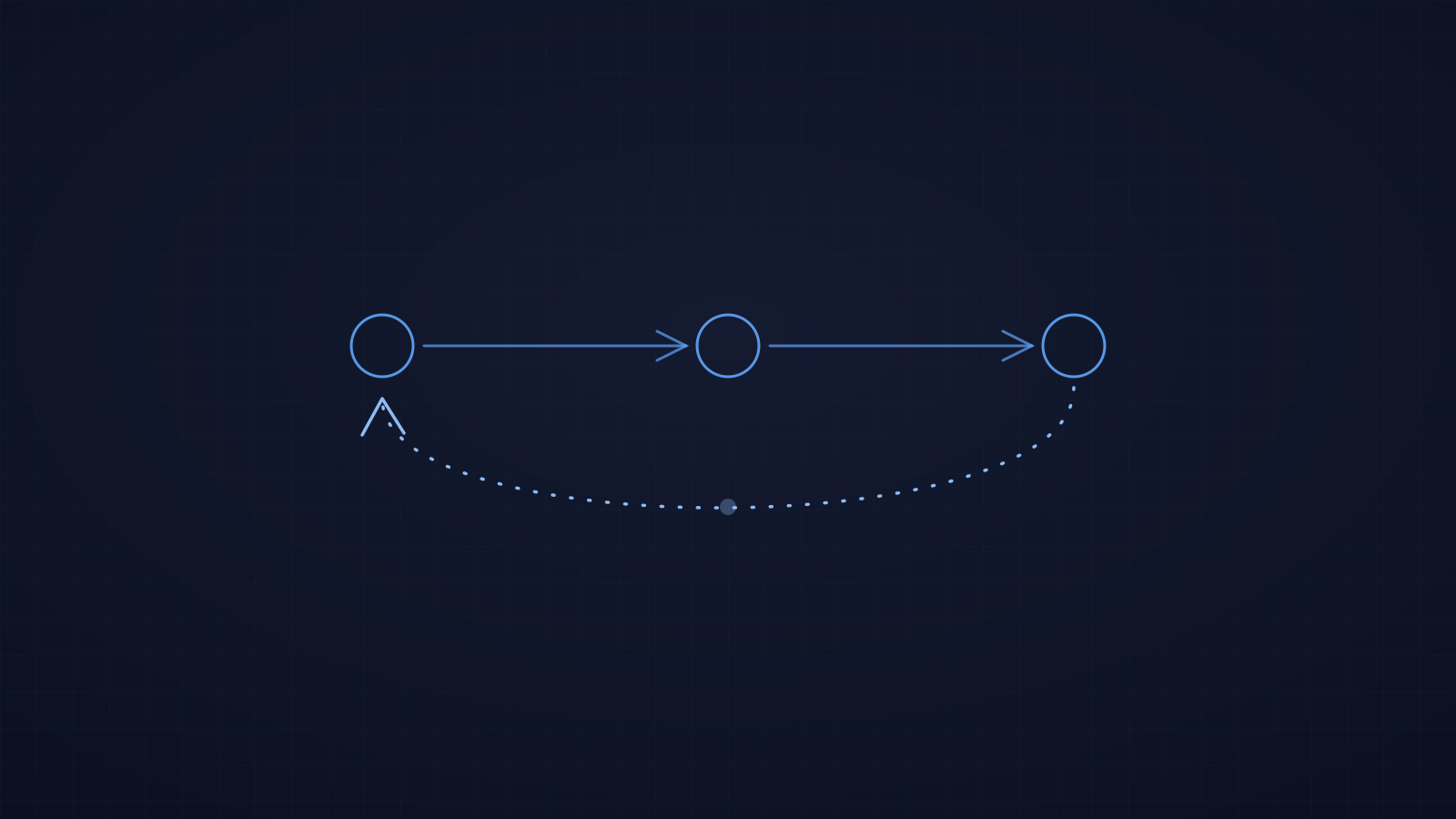
Your Agent Pipeline Is Missing the Back Edge
2 min read

Jun 3, 2026
The In-House Tool Dies When Its Builder Leaves
2 min read
Jun 2, 2026
Everything Was an AWS Wrapper Too
3 min read
Jun 1, 2026
Buy the Integration Until It Breaks
3 min read
May 31, 2026
The Bot Is the Interface. The Agents Are the Units
2 min read
May 30, 2026
Your Agents Will Find the Dirty Data First
3 min read

May 29, 2026
The Single Pane of Glass Is a Custom App, Not a Chat Window
2 min read

May 27, 2026
The Forward-Deployed Engineer Is the Wedge
3 min read
May 26, 2026
Controllability Beats Magic Every Time
4 min read
May 25, 2026
Cloud Dev Environments Are the Unlock for Parallel Agent Work
3 min read
May 24, 2026
The Agent Lab Replaces the Agent Deploy
3 min read

May 24, 2026
Agents Start Broken and That Is the Point
2 min read
May 23, 2026
The Agent as ERP Is Not a Metaphor
2 min read

May 22, 2026
The 4X Mandate Without a Measuring Stick
2 min read

May 20, 2026
Follow No Goose Absolutely
8 min read
May 16, 2026
Agents in Production: GTM Mesh and the Death of the ERP
2 min read
May 15, 2026
The Human Is No Longer the Integration Layer
2 min read

May 14, 2026
From Agent to Platform: Why the GTM Is Services-Shaped
2 min read

May 10, 2026
Start With the Pain, Not the Platform
2 min read
May 6, 2026
The Agent Harness Problem
2 min read

May 6, 2026
Tech Context Is Tractable. Org Context Is Not
2 min read
May 3, 2026
Background Agents Are the Underbuilt Layer
2 min read

May 2, 2026
The Atomic Agent Mesh: Architecture, Build-vs-Buy, and the Review Layer
2 min read
Apr 29, 2026
The Primitives Are the Same Across Roles
3 min read
Apr 27, 2026
The ERP Is Dead. The Agent Is Your Operating System Now
2 min read
Apr 27, 2026
The Gap Is Infrastructure, Not Intelligence
2 min read
Apr 20, 2026
Flexibility Is Not Optional for Agent Platforms
3 min read
Apr 19, 2026
What the Build-vs-Buy Data Actually Shows
2 min read

Apr 17, 2026
The Mesh of Specialists Pattern
2 min read
Apr 16, 2026
The Harness Matters as Much as the Model
2 min read
Apr 14, 2026
The Forward-Deployed Model Is the Only One That Actually Works
2 min read
Apr 13, 2026
Think Small to Win Big
2 min read
Apr 9, 2026
The Operationalization Gap: Where AI Demos Go to Die
2 min read

Apr 6, 2026
The Agent Buyer Map: Who Builds, Who Buys
2 min read
Apr 5, 2026
Agent Build Versus Buy: Why Engineers Keep Building It Themselves
2 min read

Apr 1, 2026
Customization Is the Moat, Not Model Quality
2 min read

Mar 31, 2026
The Coordination Crisis AI Tooling Created
2 min read

Mar 30, 2026
Controllability Is Not Optional. Enterprise Teams Do Not Want Magic
2 min read
Mar 28, 2026
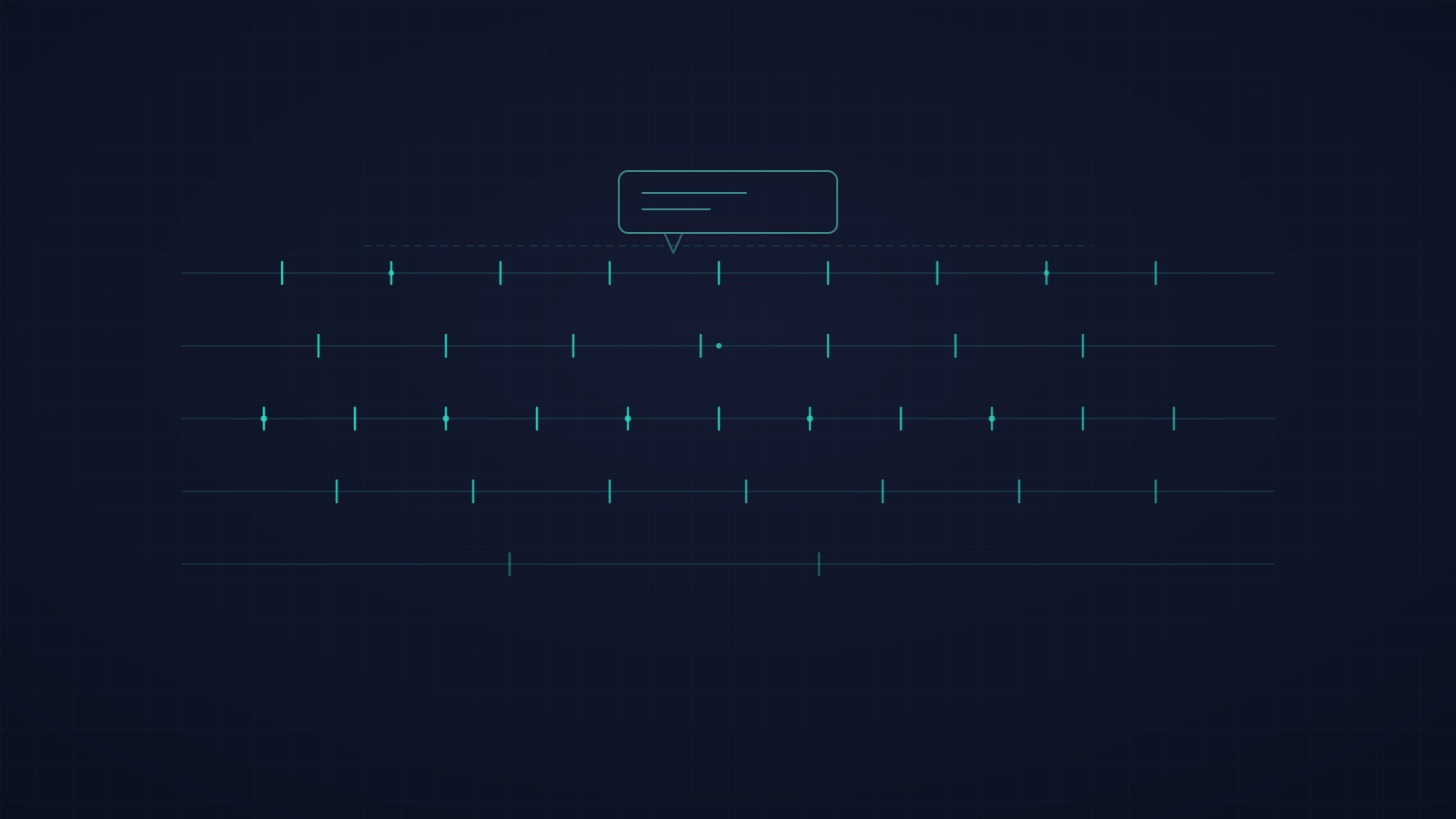
Triggered Workflows Generate Most of the Volume
2 min read
Mar 26, 2026
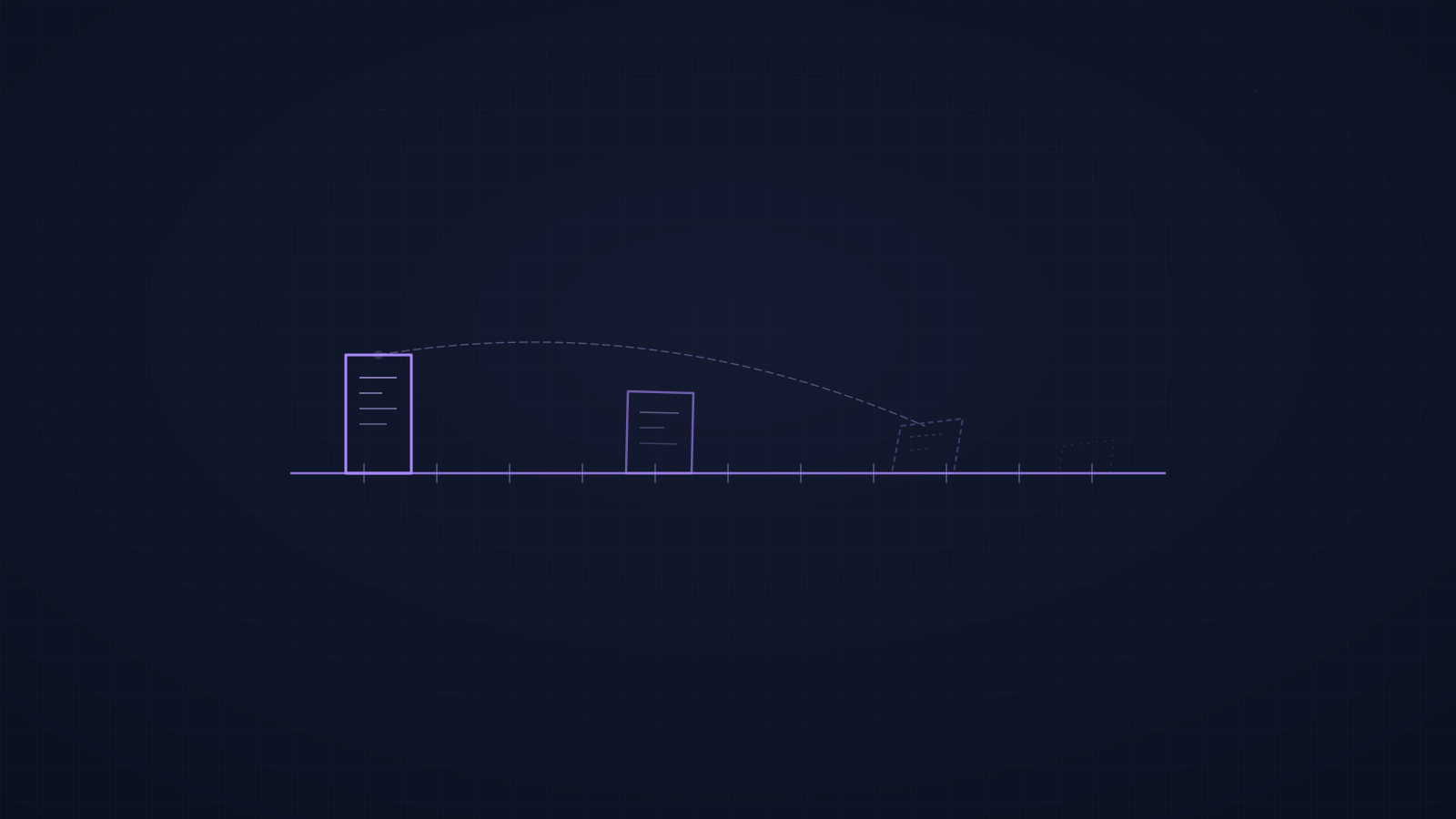
Internal AI Tools Have a Twelve-Month Shelf Life
2 min read
Mar 22, 2026
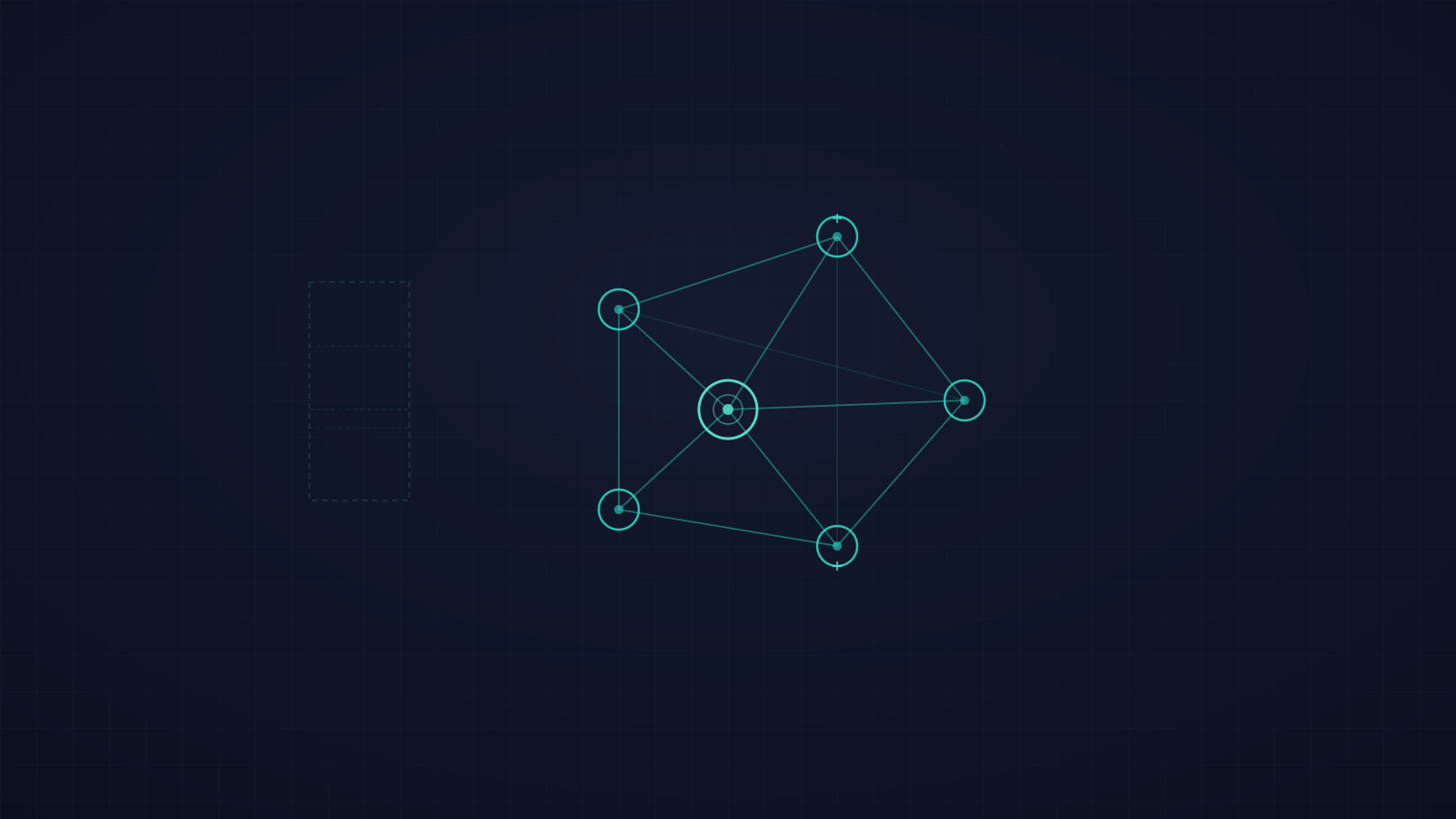
The Mesh, Not the Monolith
2 min read

Mar 20, 2026
Homegrown Platforms Decay
2 min read
Mar 17, 2026
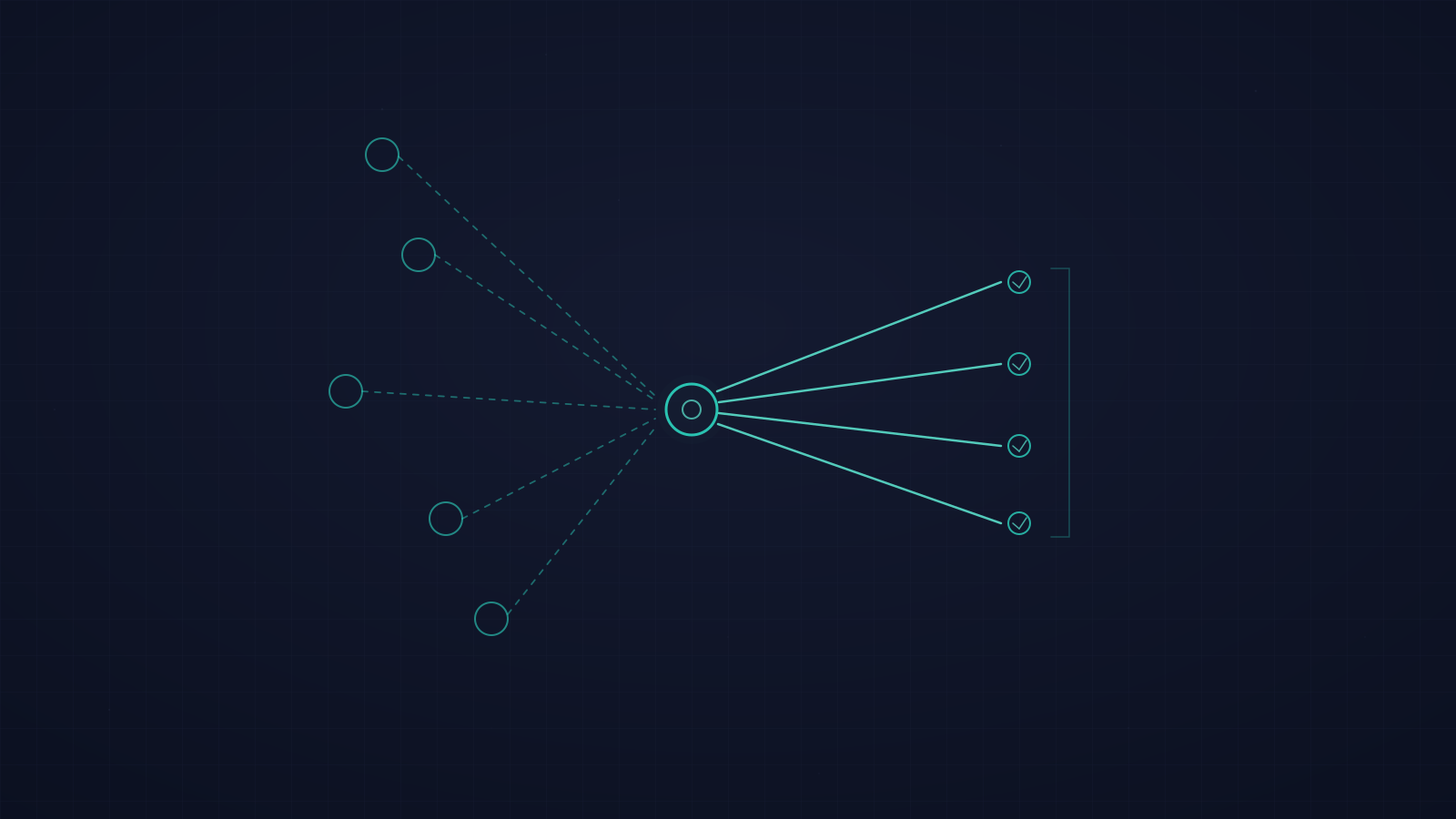
What Workflow-First Looks Like in Practice
2 min read
Mar 14, 2026
The Convergent Agent Stack
2 min read
Mar 12, 2026
The Unit of AI Consumption Is the Organization
2 min read
Mar 8, 2026
The Agent Infra Maturity Gradient
2 min read
Mar 7, 2026
The Submodule Problem Is the Whole Problem in Miniature
2 min read
Mar 2, 2026
Start With Workflows, Not Roles
2 min read

Feb 27, 2026
The Mirror Problem
2 min read
Feb 23, 2026
The Procurement Trap
2 min read

Feb 22, 2026
The Mega-Agent Fantasy Is Already Falling Apart
2 min read

Feb 21, 2026
The Demo Is Not the Deployment
2 min read
Sep 9, 2025
Beyond the Coast-to-Midwest AI Gap
2 min read
More tags